Winter can change how comfortable a room feels. A favourite chair beside the window may become less inviting, large glass doors can feel chilly after sunset, and shorter days make privacy more important.
For homeowners in Mississauga, Oakville and across the Greater Toronto Area, choosing winter window treatments means balancing comfort, natural light, privacy and design. Custom drapery, blinds, shades and shutters each offer something different. Comparing options from Norman, Hunter Douglas, Maxxmar, Alta, Altex and Delta helps you choose around your home and budget.
The best starting point is your priority: improving comfort beside a window, creating evening privacy, managing light or bringing a room together. Here is how to choose.
How window coverings help in winter
Natural Resources Canada explains that curtains and blinds can reduce radiant heat loss through windows during the heating season. Insulated drapes can offer more benefit than uninsulated drapes and blinds. Source: Natural Resources Canada
Performance depends on the treatment, its fit and how you use it. Decorative panels that remain open serve a different purpose from drapery designed to close across the glass.
If you feel air entering around a frame, investigate the window seals and weatherstripping too. Window coverings complement window maintenance; they do not repair an air leak.
Custom drapery for winter comfort and style
Drapery deserves a place near the top of the list when you want a room to feel welcoming and finished. It also offers considerable flexibility in fabric, lining and coverage.
For a winter-focused design, discuss an appropriate lining and whether interlining would suit the fabric and construction. The finished weight, how the panels hang and how easily they operate all deserve attention.
Ask whether your drapery will fully close. Stationary side panels can beautifully frame a window, but they leave the centre exposed. If evening coverage is a priority, allow enough fabric and suitable hardware for the panels to meet properly.
Ripple fold drapery creates an orderly, contemporary look, while pinch pleats offer a more tailored appearance. Either can work in a layered design. The heading style alone does not determine insulation; consider the complete treatment.
For large living-room windows or patio doors, plan where the fabric will stack when open so you can enjoy the view and use the door comfortably.
Fabric selection makes the design personal
A textured neutral can create a quiet backdrop, while a pattern or richer colour can make the windows a focal point. Consider the fabric beside your flooring, upholstery and paint, then view it with daylight behind it.
Ask Texeuro about fabric options from Unique, Alendel, JF Fabrics, Maxwell, Avant Garde, Eddy Stone, Equus and Kravet. The right choice depends on more than the supplier name: fabric width, pattern repeat, lining and the way the material drapes all affect the finished result.
Cellular shades for an insulating layer
Cellular shades, also called honeycomb shades, contain pockets of air within their fabric structure. These pockets provide insulation and help reduce heat transfer. Norman Portrait™ Honeycomb Shades are one example, with light-filtering and room-darkening fabrics and several operating options. Source: Norman Canada
Consider a light-filtering fabric when you want softly diffused daylight, or a room-darkening option when limiting light is more important. Ask to see samples against your window: colour and opacity can look different with daylight behind them.
For a bedroom facing the street, discuss both daytime and nighttime privacy. For an unusually shaped window or a window with projecting handles, check mounting depth and clearance before choosing a configuration.
Layer shades and drapery for more flexibility
A layered design gives each treatment a clear job. A shade can manage light and privacy during the day, while closing drapery provides additional coverage in the evening.
For example, a family room could pair cellular shades with lined ripple fold drapery. A bedroom could combine a room-darkening shade with fully closing pleated panels.
This approach also gives you more freedom with colour and texture. The shade can sit quietly against the window while the drapery adds softness and connects with the furniture.
If you already have suitable shades, start by assessing them. Adding drapery may be a more useful next step than replacing every treatment at once.
Roman shades roller shades blinds and shutters
Roman shades bring fabric and a tailored appearance to windows where full-length drapery may not suit the layout. A relaxed Roman creates a softer look; a structured style feels more tailored. Discuss lining, mounting position and how much glass the raised shade will cover.
Roller shades offer a simple appearance and a wide selection of fabrics. Norman Soluna™ is one example, alongside roller options from other suppliers. Choose the fabric for your privacy and light-control needs, then consider drapery if you want a softer layered finish. A room-darkening fabric is not automatically an insulation rating. Explore Norman Soluna
Shutters offer adjustable louvers and a structured look. Norman Normandy® Shutters, for example, use hardwood and offer a range of finishes. Check how panels open around furniture and how the frame works with your windows. Ask for product-specific thermal information if insulation is a deciding factor. Explore Norman Normandy
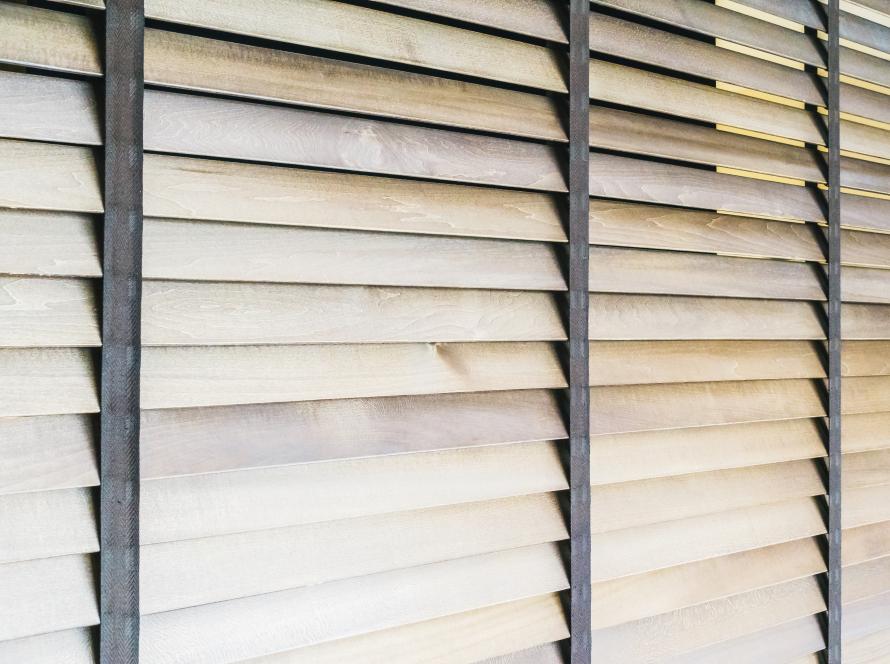
Wood and faux wood blinds suit rooms where you want adjustable slats and a defined appearance. Consider cleaning, moisture exposure and how the slats affect the view. For broader coverage in the evening, they can also be paired with closing drapery.
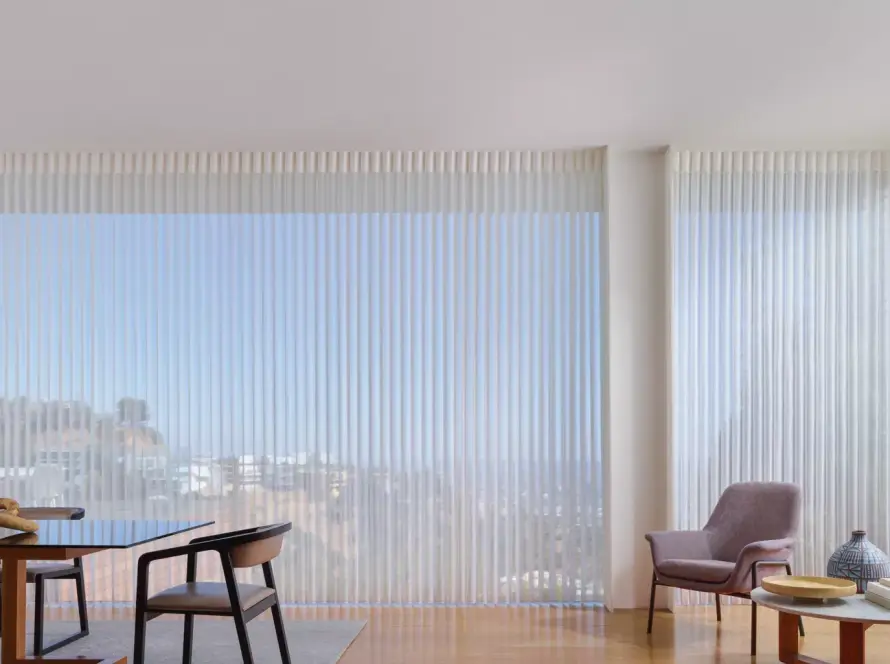
Dual or zebra shades and sheer shadings offer ways to vary daylight and privacy. Compare samples in their open and closed positions. Their layered appearance does not by itself establish the same insulation performance as a cellular shade.
Comparing window treatment suppliers
Different suppliers give you a wider choice of fabrics, construction and controls. Start with the room’s needs, then compare the relevant products.
Norman
Norman Portrait™ Honeycomb Shades are worth exploring when an insulating cellular design is a priority. The wider Norman collection also includes Soluna™ Roller Shades, Centerpiece™ Roman Shades, PerfectSheer™ Shades and shutters. This gives you ways to coordinate different treatment types throughout the home. Explore Norman products
Hunter Douglas
Hunter Douglas Duette® Honeycomb Shades use a cellular design, with Duette Architella® offering a honeycomb-within-a-honeycomb construction. Sonnette® Cellular Roller Shades combine a roller-style appearance with cellular construction. These are useful comparisons when you want to consider both insulation and the way a shade looks. Compatible Duette and Sonnette options are available with PowerView® Automation. Explore Hunter Douglas cellular shades
Maxxmar
Maxxmar offers cellular, roller, dual and Roman shades, as well as wood and faux wood blinds. Its Better Fit range includes cellular, roller and dual options for suitable window applications. For European or tilt-and-turn windows, ask Texeuro to assess the frame, handles and opening movement before recommending a system. Explore Maxxmar products · Explore Better Fit applications
Alta
Alta Honeycomb Shades offer several cell styles and fabric opacities. The collection also includes a vertical application that opens from side to side, worth discussing for a sliding glass door. Coordinate the shade with your room’s privacy needs and the way you use the door. Explore Alta Honeycomb Shades
Altex
Altex offers window coverings made in Canada, including roller, honeycomb and day-and-night shades, plus motorized curtain tracks. These options are worth comparing when you want to coordinate shades and drapery within a broader design. Explore Altex
Delta
Delta offers roller and dual shades, along with other window-covering options and motorization. It provides another range to consider when comparing fabrics, light control and operation. Ask for a quotation based on the same window sizes and requirements so you can assess the differences clearly. Explore Delta
Make your window treatments part of your daily routine
Open coverings on sunny winter days when sunlight can warm the room, then close them in the evening to help retain heat. Natural Resources Canada recommends using curtains and blinds this way during the heating season. Source: Natural Resources Canada
Motorized shades and drapery can make this routine easier, particularly across a large room or at windows you cannot reach comfortably. Hunter Douglas PowerView® Automation, Norman motorized options and compatible Somfy-powered systems are among the choices to discuss.
For example, an evening schedule can close compatible shades before you settle into the family room. The insulation comes from the treatment’s construction; automation helps you use it consistently.
Compare remote control, app scheduling and smart-home integration separately. Features, hubs and power requirements vary. If you are renovating, discuss hardwired options before walls and ceilings are finished. Hunter Douglas automation information · Norman motorized options · Somfy-powered options through Altex
Keep heat registers and heaters clear. Also watch for moisture on the glass: Natural Resources Canada notes that closed drapes and blinds can restrict air circulation near windows and contribute to condensation. If moisture appears, review airflow and indoor humidity rather than assuming thicker coverings will solve it. Source: Natural Resources Canada
Choose window treatments around your room and budget
Before requesting a consultation, consider:
- Which rooms feel least comfortable in winter?
- Do you need daytime privacy, evening privacy or both?
- Should the treatment soften daylight or darken the room?
- Will the drapery close every evening?
- Are there existing shades or hardware worth keeping?
- What budget have you set for the first stage?
You can begin with the rooms you use most. A thoughtful solution for the bedroom or family room may be more valuable than spreading the budget across the whole home.
Book a window treatment consultation with Texeuro Drapery
Family-owned since 1986, Texeuro Drapery Ltd. provides custom drapery, blinds, shades, shutters and motorized window treatments for homes across Mississauga, Oakville, Burlington, Brampton, Toronto, Vaughan and surrounding GTA communities.
We help you coordinate fabric, lining, light control and operation so the finished treatment suits your windows and daily life. Private studio appointments and in-home consultations are available by appointment.
Planning a warmer, more comfortable room this winter? Contact Texeuro Drapery to book a consultation. Send your city, a few window photos and the number of windows you would like to cover so we can start with your priorities.
Contact Texeuro DraperyWinter can change how comfortable a room feels. A favourite chair beside the window may become less inviting, large glass doors can feel chilly after sunset, and shorter days make privacy more important.
For homeowners in Mississauga, Oakville and across the Greater Toronto Area, choosing winter window treatments means balancing comfort, natural light, privacy and design. Custom drapery, blinds, shades and shutters each offer something different. Comparing options from Norman, Hunter Douglas, Maxxmar, Alta, Altex and Delta helps you choose around your home and budget.
The best starting point is your priority: improving comfort beside a window, creating evening privacy, managing light or bringing a room together. Here is how to choose.
How window coverings help in winter
Natural Resources Canada explains that curtains and blinds can reduce radiant heat loss through windows during the heating season. Insulated drapes can offer more benefit than uninsulated drapes and blinds. Source: Natural Resources Canada
Performance depends on the treatment, its fit and how you use it. Decorative panels that remain open serve a different purpose from drapery designed to close across the glass.
If you feel air entering around a frame, investigate the window seals and weatherstripping too. Window coverings complement window maintenance; they do not repair an air leak.
Custom drapery for winter comfort and style
Drapery deserves a place near the top of the list when you want a room to feel welcoming and finished. It also offers considerable flexibility in fabric, lining and coverage.
For a winter-focused design, discuss an appropriate lining and whether interlining would suit the fabric and construction. The finished weight, how the panels hang and how easily they operate all deserve attention.
Ask whether your drapery will fully close. Stationary side panels can beautifully frame a window, but they leave the centre exposed. If evening coverage is a priority, allow enough fabric and suitable hardware for the panels to meet properly.
Ripple fold drapery creates an orderly, contemporary look, while pinch pleats offer a more tailored appearance. Either can work in a layered design. The heading style alone does not determine insulation; consider the complete treatment.
For large living-room windows or patio doors, plan where the fabric will stack when open so you can enjoy the view and use the door comfortably.
Fabric selection makes the design personal
A textured neutral can create a quiet backdrop, while a pattern or richer colour can make the windows a focal point. Consider the fabric beside your flooring, upholstery and paint, then view it with daylight behind it.
Ask Texeuro about fabric options from Unique, Alendel, JF Fabrics, Maxwell, Avant Garde, Eddy Stone, Equus and Kravet. The right choice depends on more than the supplier name: fabric width, pattern repeat, lining and the way the material drapes all affect the finished result.
Cellular shades for an insulating layer
Cellular shades, also called honeycomb shades, contain pockets of air within their fabric structure. These pockets provide insulation and help reduce heat transfer. Norman Portrait™ Honeycomb Shades are one example, with light-filtering and room-darkening fabrics and several operating options. Source: Norman Canada
Consider a light-filtering fabric when you want softly diffused daylight, or a room-darkening option when limiting light is more important. Ask to see samples against your window: colour and opacity can look different with daylight behind them.
For a bedroom facing the street, discuss both daytime and nighttime privacy. For an unusually shaped window or a window with projecting handles, check mounting depth and clearance before choosing a configuration.
Layer shades and drapery for more flexibility
A layered design gives each treatment a clear job. A shade can manage light and privacy during the day, while closing drapery provides additional coverage in the evening.
For example, a family room could pair cellular shades with lined ripple fold drapery. A bedroom could combine a room-darkening shade with fully closing pleated panels.
This approach also gives you more freedom with colour and texture. The shade can sit quietly against the window while the drapery adds softness and connects with the furniture.
If you already have suitable shades, start by assessing them. Adding drapery may be a more useful next step than replacing every treatment at once.
Roman shades roller shades blinds and shutters
Roman shades bring fabric and a tailored appearance to windows where full-length drapery may not suit the layout. A relaxed Roman creates a softer look; a structured style feels more tailored. Discuss lining, mounting position and how much glass the raised shade will cover.
Roller shades offer a simple appearance and a wide selection of fabrics. Norman Soluna™ is one example, alongside roller options from other suppliers. Choose the fabric for your privacy and light-control needs, then consider drapery if you want a softer layered finish. A room-darkening fabric is not automatically an insulation rating. Explore Norman Soluna
Shutters offer adjustable louvers and a structured look. Norman Normandy® Shutters, for example, use hardwood and offer a range of finishes. Check how panels open around furniture and how the frame works with your windows. Ask for product-specific thermal information if insulation is a deciding factor. Explore Norman Normandy
Wood and faux wood blinds suit rooms where you want adjustable slats and a defined appearance. Consider cleaning, moisture exposure and how the slats affect the view. For broader coverage in the evening, they can also be paired with closing drapery.
Dual or zebra shades and sheer shadings offer ways to vary daylight and privacy. Compare samples in their open and closed positions. Their layered appearance does not by itself establish the same insulation performance as a cellular shade.
Comparing window treatment suppliers
Different suppliers give you a wider choice of fabrics, construction and controls. Start with the room’s needs, then compare the relevant products.
Norman
Norman Portrait™ Honeycomb Shades are worth exploring when an insulating cellular design is a priority. The wider Norman collection also includes Soluna™ Roller Shades, Centerpiece™ Roman Shades, PerfectSheer™ Shades and shutters. This gives you ways to coordinate different treatment types throughout the home. Explore Norman products
Hunter Douglas
Hunter Douglas Duette® Honeycomb Shades use a cellular design, with Duette Architella® offering a honeycomb-within-a-honeycomb construction. Sonnette® Cellular Roller Shades combine a roller-style appearance with cellular construction. These are useful comparisons when you want to consider both insulation and the way a shade looks. Compatible Duette and Sonnette options are available with PowerView® Automation. Explore Hunter Douglas cellular shades
Maxxmar
Maxxmar offers cellular, roller, dual and Roman shades, as well as wood and faux wood blinds. Its Better Fit range includes cellular, roller and dual options for suitable window applications. For European or tilt-and-turn windows, ask Texeuro to assess the frame, handles and opening movement before recommending a system. Explore Maxxmar products · Explore Better Fit applications
Alta
Alta Honeycomb Shades offer several cell styles and fabric opacities. The collection also includes a vertical application that opens from side to side, worth discussing for a sliding glass door. Coordinate the shade with your room’s privacy needs and the way you use the door. Explore Alta Honeycomb Shades
Altex
Altex offers window coverings made in Canada, including roller, honeycomb and day-and-night shades, plus motorized curtain tracks. These options are worth comparing when you want to coordinate shades and drapery within a broader design. Explore Altex
Delta
Delta offers roller and dual shades, along with other window-covering options and motorization. It provides another range to consider when comparing fabrics, light control and operation. Ask for a quotation based on the same window sizes and requirements so you can assess the differences clearly. Explore Delta
Make your window treatments part of your daily routine
Open coverings on sunny winter days when sunlight can warm the room, then close them in the evening to help retain heat. Natural Resources Canada recommends using curtains and blinds this way during the heating season. Source: Natural Resources Canada
Motorized shades and drapery can make this routine easier, particularly across a large room or at windows you cannot reach comfortably. Hunter Douglas PowerView® Automation, Norman motorized options and compatible Somfy-powered systems are among the choices to discuss.
For example, an evening schedule can close compatible shades before you settle into the family room. The insulation comes from the treatment’s construction; automation helps you use it consistently.
Compare remote control, app scheduling and smart-home integration separately. Features, hubs and power requirements vary. If you are renovating, discuss hardwired options before walls and ceilings are finished. Hunter Douglas automation information · Norman motorized options · Somfy-powered options through Altex
Keep heat registers and heaters clear. Also watch for moisture on the glass: Natural Resources Canada notes that closed drapes and blinds can restrict air circulation near windows and contribute to condensation. If moisture appears, review airflow and indoor humidity rather than assuming thicker coverings will solve it. Source: Natural Resources Canada
Choose window treatments around your room and budget
Before requesting a consultation, consider:
- Which rooms feel least comfortable in winter?
- Do you need daytime privacy, evening privacy or both?
- Should the treatment soften daylight or darken the room?
- Will the drapery close every evening?
- Are there existing shades or hardware worth keeping?
- What budget have you set for the first stage?
You can begin with the rooms you use most. A thoughtful solution for the bedroom or family room may be more valuable than spreading the budget across the whole home.
Book a window treatment consultation with Texeuro Drapery
Family-owned since 1986, Texeuro Drapery Ltd. provides custom drapery, blinds, shades, shutters and motorized window treatments for homes across Mississauga, Oakville, Burlington, Brampton, Toronto, Vaughan and surrounding GTA communities.
We help you coordinate fabric, lining, light control and operation so the finished treatment suits your windows and daily life. Private studio appointments and in-home consultations are available by appointment.
Planning a warmer, more comfortable room this winter? Contact Texeuro Drapery to book a consultation. Send your city, a few window photos and the number of windows you would like to cover so we can start with your priorities.